
Transportation Safety Tips Every Logistics Company Should Know
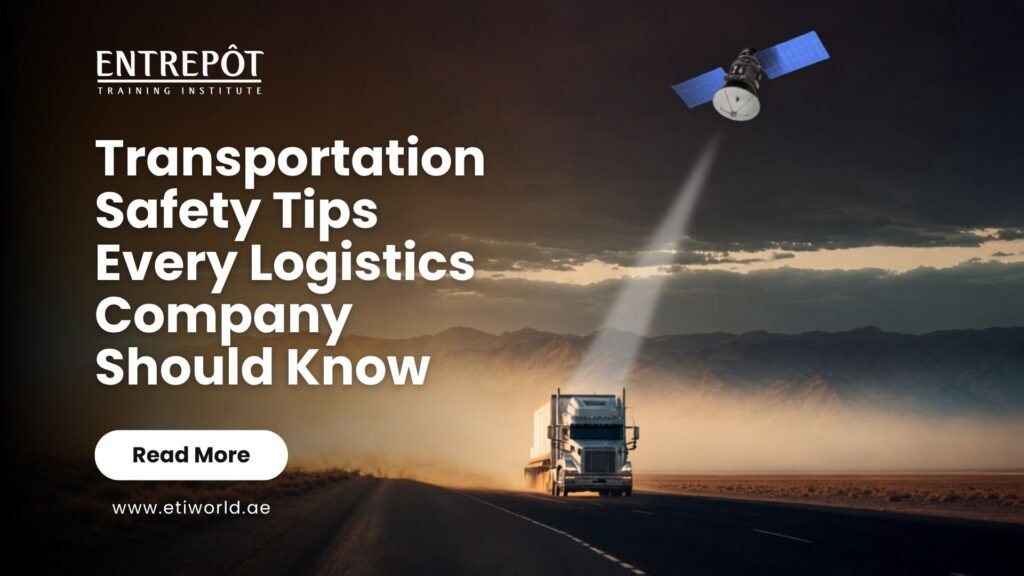
The logistics industry is the backbone of global trade, ensuring goods move efficiently from manufacturers to consumers. As customer expectations continue to grow and delivery timelines become tighter, logistics companies face increasing pressure to maintain reliable operations while protecting drivers, cargo, and vehicles. One of the most important aspects of achieving this balance is transportation safety. Prioritizing transportation safety helps businesses reduce accidents, improve operational efficiency, lower maintenance costs, and build customer trust. Whether a company manages local deliveries or long-distance freight, investing in strong safety practices creates a safer work environment and strengthens the entire supply chain. In this guide, we’ll explore practical tips every logistics company should follow to improve transportation safety and prepare for the future of logistics. Why Transportation Safety Matters Every logistics operation depends on reliable transportation. Poor transportation safety can lead to vehicle damage, cargo loss, delayed deliveries, legal penalties, and reputational harm. By making transportation safety a priority, businesses can minimize risks and improve service quality. Companies that focus on transportation safety often experience fewer accidents, better driver performance, reduced insurance costs, and improved customer satisfaction. Conduct Regular Vehicle Inspections Routine inspections are one of the simplest ways to improve transportation safety. Drivers should inspect brakes, tires, lights, mirrors, steering systems, and fluid levels before every trip. Preventive inspections reduce the risk of unexpected breakdowns and help maintain consistent transportation safety standards across the organization. Invest in Driver Training Drivers play the most important role in transportation safety. Regular training ensures they understand defensive driving techniques, speed management, emergency response procedures, and safe cargo handling. Training programs should include: Well-trained drivers contribute significantly to improved transportation safety. Monitor Driver Behavior Modern telematics systems help companies monitor speeding, harsh braking, rapid acceleration, and excessive idling. Reviewing this data allows managers to coach drivers and improve transportation safety across the fleet. Recognizing safe drivers through rewards and incentives also encourages a stronger transportation safety culture. Prevent Driver Fatigue Fatigue remains one of the leading causes of commercial vehicle accidents. Improving transportation safety means ensuring drivers receive adequate rest and follow legal driving-hour regulations. Companies should: Reducing fatigue directly improves transportation safety and delivery reliability. Use GPS and Route Optimization Advanced GPS systems support transportation safety by helping drivers avoid traffic congestion, road closures, and hazardous conditions. Optimized routes reduce travel time, fuel consumption, and accident risks while improving delivery performance. Implement Preventive Maintenance Regular maintenance is essential for transportation safety. Instead of waiting for components to fail, companies should service vehicles according to manufacturer recommendations. Preventive maintenance should include: Consistent maintenance keeps vehicles roadworthy and supports long-term transportation safety. Secure Cargo Properly Improperly secured cargo creates serious hazards. Effective transportation safety requires using approved restraints, balanced loading techniques, and regular cargo inspections. Secure cargo reduces the risk of shifting loads, damaged goods, and road accidents. Adopt Safety Technology Technology continues to transform transportation safety. Many logistics companies now use: These tools help drivers respond quickly to potential hazards while improving overall transportation safety. Prepare for Weather Conditions Rain, fog, snow, and strong winds can significantly affect transportation safety. Companies should monitor weather forecasts and adjust schedules when necessary. Drivers should receive training on safe driving techniques during adverse weather conditions to maintain high transportation safety standards. Build a Strong Safety Culture Creating a workplace that values transportation safety requires leadership commitment. Managers should communicate safety expectations clearly, encourage incident reporting, and regularly review safety performance. When employees understand that transportation safety is everyone’s responsibility, organizations experience better long-term results. Track Safety Performance Businesses should regularly monitor key performance indicators such as: Tracking these metrics helps identify opportunities to strengthen transportation safety over time. Stay Compliant Government regulations exist to protect drivers, businesses, and the public. Maintaining transportation safety includes complying with vehicle inspection requirements, driver licensing standards, and operational regulations. Compliance reduces legal risks while reinforcing safe transportation practices. The Future of Transportation Safety Emerging technologies such as artificial intelligence, predictive analytics, connected vehicles, and autonomous safety systems will continue improving transportation safety in the coming years. Companies that invest in innovation today will be better prepared for future challenges while delivering safer, more reliable logistics services. Conclusion Strong transportation safety practices are essential for every logistics company. From driver training and preventive maintenance to route optimization and advanced technology, each improvement contributes to safer operations and greater efficiency. Organizations that prioritize transportation safety protect their drivers, reduce operating costs, strengthen customer relationships, and build more resilient supply chains. As the logistics industry evolves, maintaining excellent transportation safety standards will remain one of the most valuable investments any business can make.
Fleet Management Program: The Future of Logistics in 2026
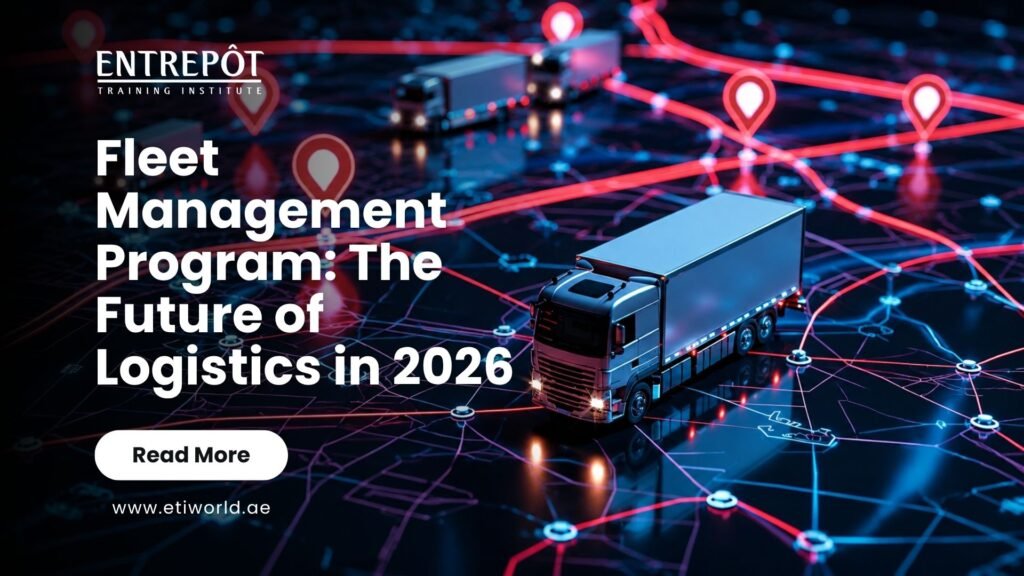
The logistics and supply chain industry is undergoing one of the biggest transformations in its history. Rising customer expectations, increasing fuel prices, global trade expansion, and rapid technological advancements are pushing businesses to rethink how they move goods from one location to another. In 2026, companies that adopt smarter technologies will gain a competitive advantage, while those relying on traditional methods may struggle to keep pace. One of the most significant innovations driving this transformation is the Fleet Management Program. Modern logistics companies are no longer dependent on manual tracking or basic GPS systems. Instead, they use intelligent fleet solutions that combine artificial intelligence, real-time analytics, IoT devices, and predictive maintenance to improve efficiency across the supply chain. Whether it’s a small transportation company managing a handful of delivery vehicles or a global logistics provider operating thousands of trucks, a Fleet Management Program helps businesses reduce costs, improve delivery performance, increase vehicle utilization, and enhance customer satisfaction. In this blog, we’ll explore why a Fleet Management Program is becoming the backbone of modern logistics and how it will shape the future of supply chain management in 2026. What Is a Fleet Management Program? A Fleet Management Program is a comprehensive system that enables businesses to monitor, manage, and optimize their fleet operations through digital technologies. It brings together vehicle tracking, route optimization, fuel monitoring, maintenance scheduling, driver performance analysis, and operational reporting into a single platform. Instead of relying on spreadsheets or manual reporting, companies can use a Fleet Management Program to gain complete visibility into every vehicle and shipment in real time. This allows managers to make informed decisions quickly and improve operational efficiency. Key features of a modern Fleet Management Program include: As logistics becomes increasingly data-driven, implementing a Fleet Management Program is no longer optional—it’s becoming essential. Why Fleet Management Programs Matter in 2026 The logistics industry in 2026 is expected to face greater complexity than ever before. Businesses must handle growing shipment volumes, tighter delivery windows, sustainability goals, and rising customer expectations. A Fleet Management Program helps companies address these challenges by improving operational visibility and enabling smarter decision-making. Some of the biggest reasons businesses are investing in a Fleet Management Program include: Improved Route Planning Advanced route optimization ensures drivers take the fastest and most fuel-efficient routes. By avoiding traffic congestion and unnecessary mileage, companies can reduce fuel costs and improve delivery times. Better Fleet Visibility Managers can monitor every vehicle in real time using GPS technology. This transparency allows businesses to respond quickly to delays, reroute shipments when necessary, and keep customers informed. Reduced Operating Costs Fuel is one of the largest expenses in logistics. A Fleet Management Program helps businesses monitor fuel usage, reduce idle time, and identify inefficient driving habits that increase costs. Enhanced Customer Experience Customers expect accurate delivery updates and on-time shipments. With real-time tracking and automated notifications, businesses can improve communication and build trust with clients. AI Is Transforming Fleet Management Artificial Intelligence is becoming a core component of every advanced Fleet Management Program. AI-powered systems analyze large volumes of operational data to identify trends and recommend actions that improve efficiency. Examples include: Instead of reacting to problems after they occur, businesses using AI-enabled Fleet Management Programs can prevent disruptions before they affect operations. Predictive Maintenance Reduces Downtime Unexpected vehicle breakdowns can lead to delayed deliveries, unhappy customers, and increased repair costs. A modern Fleet Management Program uses predictive maintenance by analyzing engine performance, mileage, tire condition, and sensor data to detect potential issues before they become serious. Benefits include: Predictive maintenance allows logistics companies to schedule repairs at the right time rather than waiting for costly failures. Real-Time Data Improves Decision-Making One of the biggest advantages of a Fleet Management Program is access to real-time operational data. Managers can instantly view: This visibility allows businesses to make informed decisions quickly, improving overall supply chain performance. Real-time analytics also help identify inefficiencies that might otherwise go unnoticed. Sustainability and Green Logistics Environmental sustainability is becoming a major priority for logistics companies worldwide. A Fleet Management Program supports sustainability initiatives by helping businesses: As governments introduce stricter environmental regulations, companies with efficient fleet management systems will be better positioned to meet compliance requirements. Integration with Smart Supply Chains Modern logistics relies on connected technologies that work together seamlessly. A Fleet Management Program integrates with: This integration creates a connected supply chain where information flows automatically between departments, reducing manual work and improving accuracy. Businesses gain complete visibility from warehouse to final delivery. Key Trends Shaping Fleet Management in 2026 Several emerging technologies are expected to redefine logistics in the coming years. Internet of Things (IoT) IoT-enabled sensors continuously monitor vehicle health, cargo conditions, and driver performance. Advanced Analytics Big data analytics help companies optimize routes, forecast demand, and improve operational efficiency. Automation Routine administrative tasks such as reporting, scheduling, and compliance tracking are increasingly automated. Electric and Hybrid Fleets As electric vehicles become more common, fleet management platforms are evolving to support charging schedules, battery monitoring, and energy optimization. Enhanced Cybersecurity With more connected vehicles, protecting operational data has become a top priority. These trends are making every Fleet Management Program smarter, faster, and more valuable. Choosing the Right Fleet Management Program Not every solution offers the same capabilities. When selecting a Fleet Management Program, businesses should look for: Choosing the right platform ensures long-term operational success and scalability. Conclusion The future of logistics in 2026 will be driven by technology, automation, and data. Businesses that invest in smarter transportation systems will be better equipped to handle changing market demands, improve operational efficiency, and deliver exceptional customer experiences. A modern Fleet Management Program is no longer just a tracking solution—it is a strategic business tool that enhances every stage of the logistics process. From route optimization and predictive maintenance to real-time analytics and sustainability initiatives, it empowers organizations to make faster, smarter decisions. As the logistics industry continues to evolve, companies that embrace a Fleet Management Program will strengthen
AI in Global Logistics and Supply Chain
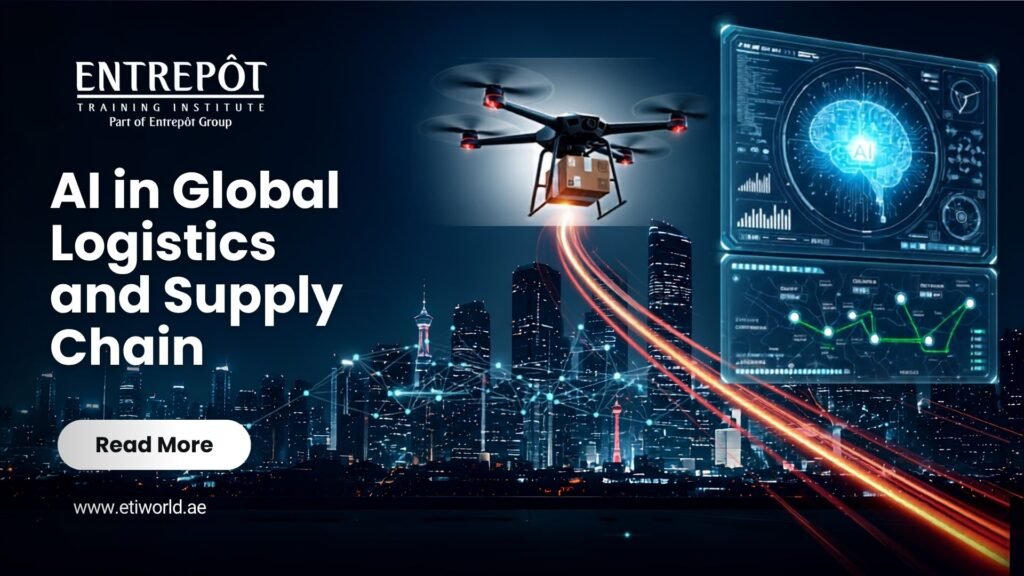
In an increasingly connected global economy, even a regional conflict can send shockwaves through international trade and transportation networks. The rising tensions and military confrontation between Iran and the United States have once again demonstrated how vulnerable global supply chains are to geopolitical instability. For logistics companies, manufacturers, retailers, and importers, the consequences can be immediate and far-reaching. From rising freight costs to delayed deliveries, the biggest challenge faced by businesses during wartime is supply disruption. When critical trade routes become unsafe or restricted, companies must quickly adaptAI Impacting Supply Chain: How Artificial Intelligence is Transforming Modern LogisticsThe Role of Machine Learning in Modern Supply Chains One of the biggest drivers behind AI impacting supply chain operations is Machine Learning. Unlike traditional software that follows fixed rules, Machine Learning enables systems to learn from historical data, identify patterns, and improve decision-making over time without constant human intervention. In logistics, Machine Learning helps companies predict customer demand, estimate delivery times, identify inventory shortages, and optimize warehouse operations. These capabilities reduce operational costs while increasing efficiency across the entire supply chain. For example, a logistics company handling thousands of daily shipments can use Machine Learning algorithms to analyze weather conditions, seasonal demand, traffic patterns, and customer purchasing behavior. The result is more accurate forecasting, fewer delays, and better resource allocation. Predictive Demand Forecasting Demand forecasting has traditionally relied on historical sales reports and manual calculations. Today, Machine Learning processes millions of data points in real time to generate highly accurate forecasts. Benefits include: When combined with AI-driven analytics, Machine Learning transforms demand planning into an intelligent, continuously improving process. AI Transport is Reshaping Logistics The transportation segment of logistics is also evolving rapidly because of AI Transport solutions. AI Transport uses artificial intelligence to improve routing, scheduling, dispatch planning, vehicle allocation, fuel optimization, and delivery tracking. Instead of relying on static delivery routes, AI Transport systems continuously analyze: This allows businesses to deliver goods faster while reducing operational costs. Benefits of AI Transport Some major advantages of AI Transport include: Companies adopting AI Transport gain a significant competitive advantage by making smarter transportation decisions in real time. AI Transport Improves Route Optimization Traditional route planning often results in unnecessary mileage and higher expenses. With AI Transport, delivery routes are automatically optimized based on live data. For example, if traffic congestion occurs unexpectedly, AI Transport immediately suggests an alternative route, reducing delays and improving delivery performance. For logistics companies handling hundreds of vehicles daily, these small optimizations generate significant annual savings. Zoho Inventory: Bringing AI into Inventory Management Inventory management is one of the most critical aspects of logistics, and Zoho Inventory has become an increasingly popular platform for businesses looking to streamline operations. Zoho Inventory helps businesses manage inventory, automate stock updates, process orders, and monitor warehouse activities from a centralized dashboard. When integrated with AI-powered tools, Zoho Inventory becomes even more powerful. How Zoho Inventory Supports AI-Driven Logistics Modern logistics businesses can combine Zoho Inventory with artificial intelligence to: By leveraging Zoho Inventory, companies can maintain optimal inventory levels while reducing unnecessary storage costs. Real-Time Inventory Visibility with Zoho Inventory One major advantage of Zoho Inventory is real-time inventory visibility. Warehouse managers no longer need to rely on manual spreadsheets. Instead, Zoho Inventory automatically updates stock quantities whenever products are received, transferred, or shipped. When AI analytics are integrated with Zoho Inventory, businesses gain actionable insights such as: This enables better business decisions while improving customer satisfaction. Combining Machine Learning with Zoho Inventory The real power of AI appears when Machine Learning works together with Zoho Inventory. Instead of manually checking stock levels, Machine Learning algorithms analyze purchasing behavior and automatically recommend inventory replenishment. This helps businesses avoid: As logistics operations become more complex, integrating Machine Learning with Zoho Inventory allows companies to stay agile and responsive. AI-Powered Warehouse Automation Warehouses are becoming increasingly intelligent due to artificial intelligence. Using Machine Learning, warehouses can: When these capabilities are connected with Zoho Inventory, inventory records remain accurate and synchronized across multiple warehouses. Smarter Decision Making Through AI Analytics Modern logistics depends heavily on data. Artificial intelligence converts raw operational data into actionable business insights. Using Machine Learning, logistics companies can identify trends that humans may overlook. Examples include: Similarly, AI Transport systems analyze transportation performance to optimize deliveries continuously. When paired with Zoho Inventory, businesses gain complete visibility into inventory movement and transportation performance, creating a more connected and intelligent supply chain.
Supply Chain Disruption Due to War
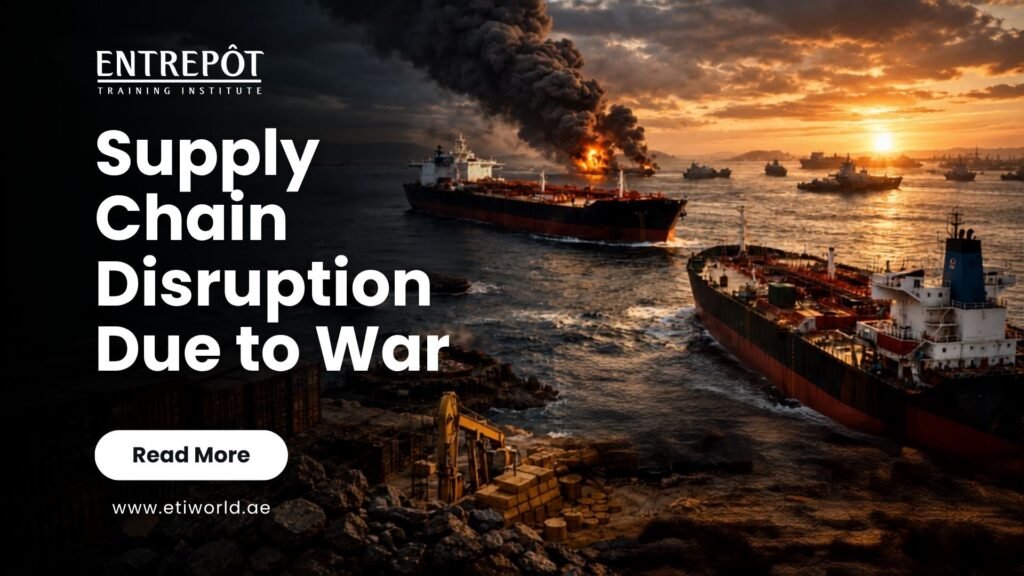
In an increasingly connected global economy, even a regional conflict can send shockwaves through international trade and transportation networks. The rising tensions and military confrontation between Iran and the United States have once again demonstrated how vulnerable global supply chains are to geopolitical instability. For logistics companies, manufacturers, retailers, and importers, the consequences can be immediate and far-reaching. From rising freight costs to delayed deliveries, the biggest challenge faced by businesses during wartime is supply disruption. When critical trade routes become unsafe or restricted, companies must quickly adapt to changing conditions while maintaining service reliability and customer satisfaction. Why Modern Supply Chains Are Vulnerable During War Today’s supply chains depend on seamless coordination between suppliers, carriers, ports, warehouses, and customers across multiple countries. A conflict involving major geopolitical powers can trigger widespread supply disruption, affecting every stage of the logistics process. The Iran–America conflict has drawn global attention because of its potential impact on key transportation corridors, energy markets, and international trade routes. Any escalation can create significant supply disruption for businesses that rely on efficient movement of goods across borders. Unlike localized business challenges, wartime supply disruption can spread rapidly across continents, impacting industries that may seem unrelated to the conflict itself. Strategic Trade Routes Under Pressure One of the primary concerns during the Iran–America conflict is the security of major maritime routes in the Middle East. These waterways play a crucial role in global commerce and energy transportation. When military tensions increase, shipping companies face the risk of supply disruption due to route restrictions, security threats, and operational uncertainty. A single incident can trigger supply disruption across multiple industries, causing delays that extend far beyond the conflict zone. As vessels are rerouted to avoid high-risk areas, businesses experience additional supply disruption through longer transit times and higher transportation costs. The Direct Impact on Logistics Companies For logistics service providers, war creates a complex operating environment. Every stage of transportation becomes more challenging when supply disruption affects infrastructure, customs procedures, and carrier availability. Freight operators must constantly adjust their plans to minimize supply disruption while maintaining delivery commitments. However, frequent supply disruption often increases operational expenses and reduces overall efficiency. Many logistics businesses invest heavily in contingency planning because recurring supply disruption can significantly affect profitability and customer trust. Fuel Prices and Transportation Costs Energy markets are often among the first sectors affected by geopolitical conflict. Since Iran is located in a strategically important oil-producing region, any escalation involving the United States can influence global fuel prices. Rising fuel costs contribute directly to supply disruption by increasing freight rates across road, sea, and air transportation networks. As transportation becomes more expensive, businesses must absorb additional costs or pass them on to customers. Extended periods of supply disruption can make budgeting and forecasting significantly more difficult for logistics companies and supply chain managers. Port Congestion and Shipping Delays War-related uncertainty often leads to operational bottlenecks at ports and terminals. Increased inspections, security checks, and route adjustments can cause severe supply disruption throughout the shipping industry. Port operators facing unexpected cargo surges may struggle to manage capacity, creating further supply disruption for importers and exporters. Even businesses located thousands of miles away can feel the effects of supply disruption caused by congestion at strategic trade hubs. The longer the conflict continues, the greater the likelihood of ongoing supply disruption affecting global shipping schedules. Challenges for Manufacturers and Retailers Manufacturers rely on timely access to raw materials and components. When war creates supply disruption, production schedules become vulnerable to delays and interruptions. A major supply disruption can prevent factories from receiving critical supplies, forcing businesses to slow production or seek alternative sources. In some cases, repeated supply disruption may result in inventory shortages that affect customer demand. Retailers also face difficulties when supply disruption delays product availability, especially during peak sales periods. As a result, businesses must develop strategies to reduce exposure to future supply disruption. Air Cargo and Emergency Freight Operations Air freight is often used to overcome transportation challenges during crises. However, military conflict can restrict airspace access and create new forms of supply disruption. Airlines may cancel routes or avoid specific regions, causing capacity shortages and increased shipping costs. These conditions generate additional supply disruption for industries that depend on fast and reliable transportation. High-value goods, medical supplies, and technology products are particularly vulnerable to supply disruption when air cargo networks face operational restrictions. The Importance of Supply Chain Visibility Modern logistics technology plays a critical role in managing supply disruption during periods of geopolitical uncertainty. Real-time shipment tracking allows businesses to identify risks before they escalate into major operational problems. Advanced analytics can help predict potential supply disruption and recommend alternative transportation options. By improving visibility, organizations can respond more effectively to supply disruption and maintain continuity even in challenging circumstances. Technology alone cannot eliminate supply disruption, but it can significantly reduce its impact on business operations. Building Resilience Against Future Disruptions The Iran–America conflict highlights the importance of resilient supply chain design. Companies that rely on a single supplier, transportation route, or geographic region face greater exposure to supply disruption. Diversification helps reduce the risk of supply disruption by creating multiple sourcing and transportation options. Businesses with strong contingency plans are better equipped to handle supply disruption without compromising customer service. Investment in risk management, supplier partnerships, and digital logistics solutions can strengthen resilience against future supply disruption events. Lessons for the Logistics Industry The logistics sector has learned that geopolitical events can create sudden and unpredictable supply disruption across global markets. Organizations must remain flexible and prepared to respond quickly when conditions change. Successful logistics companies view supply disruption not only as a challenge but also as an opportunity to improve planning and operational agility. Businesses that can adapt rapidly to supply disruption are more likely to maintain competitive advantages during periods of uncertainty. Understanding the causes and consequences of supply disruption is essential for developing effective long-term strategies. Conclusion The Iran–America conflict demonstrates how
How Global Trade Wars Are Reshaping Procurement Strategies
In today’s interconnected economy, procurement is no longer just about sourcing goods at the lowest cost- it has become a strategic function shaped by geopolitics. Ongoing global trade wars, tariffs, and economic conflicts are fundamentally transforming how organizations design and execute procurement strategies. Institutions like Entrepot Training Institute are increasingly focusing on equipping professionals with the skills needed to navigate this complex landscape. The Rise of Trade Wars and Economic Nationalism Over the past few years, trade tensions between major economies have intensified. Tariff conflicts, sanctions, and export restrictions are disrupting established trade routes and increasing operational costs. Governments are now aligning trade policies with national security objectives, making global sourcing more politically sensitive than ever before. This shift has created a fragmented global trade environment where procurement decisions must go beyond cost and efficiency. Professionals trained through platforms like Entrepot Training Institute are learning to assess geopolitical risks alongside supplier performance. Supply Chain Disruptions and Cost Pressures Trade wars often trigger broader supply chain disruptions. Rising tariffs, fluctuating currency values, and geopolitical instability contribute to increased costs of raw materials and logistics. Industries such as electronics, automotive, and manufacturing are particularly vulnerable. Procurement teams now face the challenge of balancing cost pressures with supply continuity. This is where structured training and certifications—such as those offered by Entrepot Training Institute- help professionals build resilient sourcing strategies. Shift from Cost Efficiency to Risk Management One of the most significant transformations in procurement is the shift from cost-focused decision-making to risk management. Instead of relying on a single low-cost supplier, organizations are adopting: These changes ensure business continuity even in times of disruption. Procurement professionals trained at Entrepot Training Institute are increasingly adopting these risk-based approaches to strengthen supply chain resilience. The Emergence of “China+1” and Friendshoring Trade tensions have accelerated the adoption of alternative sourcing models like “China+1,” where companies expand operations beyond China to countries such as India, Vietnam, and Mexico. Another growing trend is “friendshoring”- sourcing from politically stable or allied nations. While these strategies enhance resilience, they also increase complexity in supplier management. This evolving landscape highlights the importance of specialized procurement and supply chain training programs, such as those delivered by Entrepot Training Institute. Digital Transformation in Procurement In response to uncertainty, organizations are investing heavily in digital procurement tools. Technologies such as AI, predictive analytics, and real-time supply chain monitoring enable companies to: Digital transformation is now a core competency for procurement professionals. Training institutes like Entrepot Training Institute are integrating these technologies into their programs to prepare professionals for the future of procurement. Compliance and Regulatory Complexity Trade wars bring an increase in regulatory challenges. Procurement teams must navigate complex frameworks of tariffs, sanctions, and international trade laws. Non-compliance can result in financial penalties and reputational damage. As a result, procurement is becoming more integrated with legal and compliance functions. Professionals are expected to stay updated on evolving regulations—another area where structured learning from Entrepot Training Institute proves valuable. Long-Term Strategic Implications The long-term impact of global trade wars is a shift toward more resilient and regionally diversified supply chains. Organizations are prioritizing: While this may increase operational costs, it ensures long-term sustainability and competitiveness. To succeed in this evolving environment, companies need skilled professionals who understand both global trade dynamics and modern procurement practices. This is where institutions like Entrepot Training Institute play a crucial role in shaping the next generation of supply chain leaders. Conclusion Global trade wars are redefining procurement as a strategic function critical to business success. Organizations must move beyond cost-saving strategies and focus on resilience, adaptability, and risk management. By investing in the right skills and knowledge—through platforms like Entrepot Training Institute—procurement professionals can effectively navigate the complexities of global trade and build future-ready supply chains.
How the US–Israel Conflict is Disrupting Global Supply Chains
Global supply chains are highly sensitive to geopolitical tensions, and conflicts in strategically important regions can have far-reaching consequences. The ongoing tensions involving the United States and Israel have created ripple effects across global trade, logistics, and procurement systems. From rising transportation costs to disrupted trade routes, businesses worldwide are being forced to rethink their supply chain strategies. In this evolving landscape, organizations and professionals are turning to institutions like Entrepot Training Institute to better understand risk management and build resilient supply chains. Strategic Importance of the Middle East The Middle East plays a crucial role in global trade, serving as a hub for energy supplies and a key transit region connecting Asia, Europe, and Africa. Any instability in this region can disrupt critical shipping lanes, including routes near the Red Sea and the Suez Canal—one of the world’s most important maritime chokepoints. Heightened tensions linked to US–Israel dynamics have increased security risks in these areas, forcing shipping companies to reroute vessels or delay shipments. These changes lead to longer transit times and higher freight costs, impacting industries worldwide. Rising Freight and Energy Costs One of the most immediate impacts of geopolitical conflict is the surge in energy prices. The Middle East is a major supplier of oil and gas, and any perceived threat to supply can drive price volatility. Higher fuel costs directly affect logistics expenses, including air freight, ocean shipping, and last-mile delivery. Businesses are facing increased operational costs, which often get passed on to consumers. Procurement teams must now factor in these unpredictable cost fluctuations. Training programs offered by Entrepot Training Institute help professionals develop strategies to manage cost volatility and maintain profitability. Disruptions to Shipping Routes and Logistics Security concerns in conflict zones can lead to restricted access or complete shutdowns of key trade routes. For example, shipping lines may avoid high-risk zones, opting for longer alternative routes such as around the Cape of Good Hope instead of passing through the Suez Canal. These rerouting decisions increase delivery lead times and strain global shipping capacity. Port congestion and delays become more frequent, further complicating supply chain operations. As a result, companies are investing in contingency planning and alternative logistics networks—skills that are increasingly emphasized in supply chain training at Entrepot Training Institute. Impact on Critical Industries Several industries are particularly vulnerable to disruptions caused by geopolitical conflicts: Delays in raw materials or finished goods can halt production lines and lead to revenue losses. Businesses must adopt agile supply chain models to mitigate these risks. Professionals trained through Entrepot Training Institute are better equipped to handle such industry-specific challenges. Shift Toward Risk-Resilient Procurement The US–Israel conflict has reinforced the need for risk-resilient procurement strategies. Companies are moving away from single-source dependencies and embracing: These approaches reduce vulnerability to geopolitical disruptions but require careful planning and execution. Modern procurement professionals must be able to balance cost, risk, and efficiency—competencies developed through programs at Entrepot Training Institute. Increased Focus on Real-Time Visibility In times of uncertainty, visibility becomes a critical asset. Companies are leveraging digital tools to monitor shipments, track disruptions, and respond quickly to changing conditions. Technologies such as AI-driven analytics and supply chain visibility platforms enable organizations to make informed decisions in real time. This digital transformation is essential for maintaining operational continuity during geopolitical crises. Training in these advanced tools is becoming a priority, with institutions like Entrepot Training Institute leading the way in preparing professionals for a tech-driven future. Long-Term Implications for Global Trade The long-term impact of ongoing geopolitical tensions may lead to a restructuring of global trade networks. Companies are likely to: While these changes may increase operational costs, they enhance resilience and reduce exposure to geopolitical risks. Conclusion The US–Israel conflict highlights the vulnerability of global supply chains to geopolitical instability. From rising costs to disrupted logistics, businesses are facing unprecedented challenges that require strategic adaptation. To navigate this complex environment, organizations must invest in resilience, digital transformation, and skilled professionals. Institutions like Entrepot Training Institute play a crucial role in preparing supply chain leaders to manage uncertainty and build robust, future-ready systems.
What Is a Certified Procurement International Professional (CPIP)? Benefits, Salary Expectations, and More

The Certified Procurement International Professional (CPIP) is a globally recognized credential designed for professionals involved in purchasing, sourcing, and supply chain management. It validates an individual’s ability to manage procurement operations at an international level, covering everything from supplier selection to contract negotiation and cost analysis. Unlike general procurement training, CPIP focuses on structured, standardized knowledge aligned with global procurement frameworks. It is typically offered by recognized institutions such as the International Purchasing and Supply Chain Management Institute (IPSCMI) and other IFPSM-accredited bodies, ensuring international credibility. What Does the CPOP Certification Cover? CIPP is built around core procurement competencies required in modern global businesses. The curriculum generally includes: These areas are essential because procurement today is not just about purchasing—it directly impacts profitability, operational efficiency, and supply chain resilience. Candidates are usually required to meet basic eligibility criteria (such as relevant experience or education) and pass a professional exam to earn certification. Who Should Pursue CPIP? CIPP is suitable for both entry-level and experienced professionals in procurement and supply chain roles, including: It is particularly valuable for professionals working in global sourcing environments or organizations dealing with international suppliers. Key Benefits of CPIP Certification 1. Global Recognition and Credibility CIPP is internationally accredited, making it a strong credential for professionals seeking global career opportunities. It signals that the holder understands international procurement standards and practices. 2. Career Advancement Opportunities Professionals with CIPP certification are often considered for senior roles such as procurement manager or strategic sourcing leader. The certification demonstrates readiness for leadership responsibilities in procurement functions. 3. Higher Salary Potential Certified professionals can earn significantly more than their non-certified peers. Reports indicate salary increases ranging from 25% to 40%, depending on experience and region. 4. Enhanced Skill Set CIPP equips professionals with practical skills in negotiation, supplier management, and cost optimization—skills that directly impact business performance. 5. Strong Professional Network Many CIPP programs include interaction with global procurement professionals, offering networking opportunities that can lead to new roles or partnerships. Salary Expectations for CPIP Professionals Salaries for procurement professionals with CPIP certification vary based on location, experience, and industry. However, available data provides a clear benchmark: Senior roles such as procurement managers or heads of sourcing can earn significantly more, especially in industries like oil & gas, manufacturing, and large-scale retail. It’s important to note that certification alone does not guarantee a higher salary. However, when combined with experience, it significantly improves earning potential and job mobility. How CPIP Impacts Organizations CPIP-certified professionals don’t just benefit individually—they also add measurable value to organizations. Companies employing certified procurement professionals often see: This is why many organizations actively support or sponsor procurement certifications as part of employee development programs. Is CPIP Worth It? For professionals serious about building a career in procurement, CPIP is a practical investment. It provides structured knowledge, enhances credibility, and improves career prospects in a competitive job market. However, its value depends on how it is used. Professionals who combine CPIP certification with real-world experience, data-driven decision-making, and strategic thinking see the most significant returns. Final Thoughts The Certified Procurement International Professional (CPIP) certification is more than just a credential—it is a career accelerator in the procurement and supply chain field. With global recognition, strong salary potential, and practical skill development, it positions professionals to take on strategic roles in modern organizations. For businesses and individuals alike, investing in procurement expertise through certifications like CPIP is no longer optional—it is a competitive necessity in today’s global economy.
The Future of Supply Chain: 5 Predictions for the Next Decade
The global supply chain landscape is undergoing a profound transformation. Driven by technological advancements, geopolitical shifts, and changing consumer expectations, the next decade will redefine how businesses source, produce, and deliver goods. What was once a cost-focused function is now a strategic pillar of business resilience and growth. As organizations prepare for this future, institutions like Entrepot Training Institute are playing a key role in equipping professionals with the skills needed to thrive in an evolving supply chain ecosystem. 1. Hyper-Digital Supply Chains Will Become the Norm The future supply chain will be fully digital, powered by artificial intelligence (AI), machine learning, and real-time data analytics. Companies will move beyond traditional ERP systems to intelligent platforms capable of predicting disruptions, optimizing routes, and automating procurement decisions. Digital twins- virtual replicas of supply chains- will allow organizations to simulate scenarios and make proactive decisions. Blockchain technology will further enhance transparency, enabling end-to-end visibility and trust across the supply chain. Professionals will need strong digital capabilities to manage these systems effectively, making advanced training from institutions like Entrepot Training Institute increasingly valuable. 2. Resilience Will Replace Efficiency as the Top Priority For decades, supply chains were designed for efficiency and cost minimization. However, recent global disruptions have exposed the vulnerabilities of lean, single-source models. Over the next decade, resilience will take center stage. Companies will adopt multi-sourcing strategies, diversify supplier bases, and maintain strategic inventory buffers. Nearshoring and regionalization will also become more common as organizations aim to reduce dependency on distant markets. This shift requires a new mindset- one that balances cost with risk. Training programs offered by Entrepot Training Institute are helping professionals transition to this resilience-focused approach. 3. Sustainability Will Drive Supply Chain Decisions Sustainability is no longer optional- it is a business imperative. Governments, consumers, and investors are demanding greater accountability in environmental and social practices. Over the next decade, supply chains will be judged not just on performance, but on their environmental impact. Companies will prioritize: Green logistics, such as electric vehicles and optimized routing, will become standard. Procurement teams will also be required to assess suppliers based on sustainability metrics. To meet these expectations, supply chain professionals must understand ESG (Environmental, Social, and Governance) frameworks- an area increasingly covered in programs by Entrepot Training Institute. 4. Workforce Transformation and Skill Evolution The supply chain workforce of the future will look very different from today. Automation will replace repetitive tasks, while human roles will shift toward strategic decision-making, data analysis, and relationship management. Key skills in demand will include: Continuous learning will become essential. Professionals who invest in upskilling through institutes like Entrepot Training Institute will have a competitive advantage in the job market. 5. Customer-Centric and Agile Supply Chains The rise of e-commerce and on-demand services has fundamentally changed customer expectations. Speed, flexibility, and personalization are now critical success factors. Future supply chains will be highly agile, capable of responding quickly to changing demand patterns. Companies will leverage real-time data to align production and distribution with customer needs. Last-mile delivery innovations, including drones and autonomous vehicles, will further enhance efficiency. At the same time, supply chains will become more integrated with customer experience strategies. This shift toward customer-centricity requires a holistic understanding of supply chain dynamics- skills that are being developed through specialized training at Entrepot Training Institute. Conclusion The next decade will bring unprecedented change to the supply chain industry. Digital transformation, resilience, sustainability, workforce evolution, and customer-centricity will define the future. Organizations that adapt to these trends will not only survive but thrive in an increasingly complex global environment. However, success will depend heavily on the capabilities of supply chain professionals. By investing in the right knowledge and skills- through platforms like Entrepot Training Institute– individuals and organizations can stay ahead of the curve and build future-ready supply chains.
Strategic Sourcing Skills Required in UAE Companies
Strategic sourcing has evolved from a simple purchasing function into a core business strategy that drives profitability, resilience, and innovation. Companies operating in the fast-growing economy of the United Arab Emirates are increasingly investing in skilled procurement professionals who can manage complex supply chains, reduce costs, and build long-term supplier relationships. With industries such as logistics, aviation, construction, retail, and oil & gas expanding rapidly, strategic sourcing skills are now essential for professionals who want to succeed in the UAE job market. What is Strategic Sourcing? Strategic sourcing is a systematic process of analyzing an organization’s purchasing needs and selecting suppliers that provide the best value — not just the lowest price. It focuses on long-term partnerships, risk management, sustainability, and innovation. Unlike traditional procurement, strategic sourcing involves data analysis, supplier evaluation, contract negotiation, and continuous performance monitoring. Why Strategic Sourcing is Important in UAE Companies UAE businesses operate in a global trade environment where supply chain efficiency directly impacts competitiveness. Strategic sourcing helps companies: As the region positions itself as a global logistics and trade hub, companies require professionals who can think strategically rather than tactically. Core Strategic Sourcing Skills Required 1. Market Research & Spend Analysis Understanding Procurement Data Professionals must analyze spending patterns to identify cost-saving opportunities. This includes: Data-driven sourcing decisions help companies negotiate better contracts and avoid unnecessary expenses. 2. Supplier Relationship Management Building Long-Term Partnerships Successful sourcing professionals focus on collaboration rather than transactional buying. Key abilities include: Strong supplier relationships improve quality, reliability, and innovation. 3. Negotiation Skills Driving Value Beyond Price Negotiation is one of the most critical sourcing competencies. Professionals must balance cost, quality, delivery timelines, and contract flexibility. Effective negotiation involves: In UAE companies, negotiation often involves multicultural environments, making communication skills even more important. 4. Contract Management Knowledge Ensuring Compliance and Risk Control Strategic sourcing professionals must understand contract terms, legal clauses, and compliance requirements. Important areas include: Proper contract management prevents disputes and ensures operational continuity. 5. Digital Procurement & Technology Skills Leveraging Modern Tools UAE organizations are adopting digital procurement platforms, ERP systems, and AI-driven analytics. Professionals need skills in: Technology enables faster decision-making and improves procurement transparency. 6. Risk Management & Supply Chain Resilience Preparing for Disruptions Global events have highlighted the importance of supply chain resilience. Strategic sourcing professionals must: Companies value professionals who can maintain operations during disruptions. 7. Sustainability & Ethical Sourcing Meeting ESG Expectations Sustainability is becoming a priority in UAE procurement strategies. Professionals must evaluate: Organizations increasingly integrate ESG goals into sourcing decisions. Career Opportunities in Strategic Sourcing Strategic sourcing skills open doors to multiple roles, including: Industries such as aviation, logistics, retail, healthcare, and construction actively hire sourcing professionals. How Professionals Can Build Strategic Sourcing Skills Certifications & Training Structured training helps professionals understand frameworks, tools, and global best practices. Hands-On Experience Working on supplier projects, negotiations, and cost analysis builds practical expertise. Continuous Learning Procurement trends evolve quickly, making upskilling essential. Role of Training Institutes in Developing Strategic Sourcing Talent Professional training institutes play a critical role in bridging the skill gap between academic learning and industry requirements. They provide: One notable institute supporting procurement and logistics skill development is Entrepot Training Institute. The institute offers specialized courses in supply chain management, logistics, procurement, and strategic sourcing designed to meet the demands of UAE employers. Through industry-focused training, professionals gain real-world insights into vendor management, contract negotiation, and digital procurement tools — helping them become job-ready. Conclusion Strategic sourcing has become a critical capability for UAE companies aiming to stay competitive in a global market. Beyond purchasing, it requires analytical thinking, negotiation expertise, technology proficiency, and strong supplier management skills. As organizations continue to prioritize efficiency, resilience, and sustainability, the demand for skilled sourcing professionals will keep growing. By developing the right competencies and pursuing industry-aligned training, professionals can build rewarding careers in procurement and supply chain management. Institutes like Entrepot Training Institute play an important role in preparing talent for this evolving landscape, ensuring that businesses have the expertise needed to drive smarter sourcing decisions and long-term success.
How to Become an IATA Cabin Crew? A Complete Guide

The aviation industry continues to inspire thousands of young professionals who dream of flying across the world while building a prestigious career. If you’ve ever imagined yourself greeting passengers with confidence at 35,000 feet, you may be wondering how to become an IATA Cabin Crew member. This complete guide will walk you through the qualifications, skills, training process, and career opportunities – and how the right institute can shape your journey. Understanding the Role of an IATA Cabin Crew Before stepping into the aviation world, it’s important to understand what being a cabin crew member truly means. Cabin crew professionals are responsible for ensuring passenger safety, comfort, and overall in-flight experience. They are trained to manage emergency procedures, provide first aid, handle difficult situations calmly, and represent the airline with professionalism. The International Air Transport Association, commonly known as International Air Transport Association (IATA), sets global standards for aviation training and operations. Completing an IATA-recognized cabin crew course enhances your credibility and prepares you according to international aviation norms. Educational Qualifications and Basic Eligibility To become an IATA Cabin Crew professional, you must meet certain basic requirements. While different airlines may have slightly varied criteria, the general standards remain consistent. Most airlines require candidates to have completed at least 10+2 (higher secondary education). A diploma or degree in aviation, hospitality, or tourism can be an added advantage but is not mandatory. Age requirements typically range between 18 to 27 years for freshers. Good physical health, clear vision (with or without correction), and a well-groomed personality are essential. Airlines also evaluate height proportionate to weight, as cabin crew members must be able to reach overhead compartments and perform safety duties efficiently. Essential Skills Every Aspiring Cabin Crew Must Develop Becoming cabin crew is not just about appearance – it’s about personality, emotional intelligence, and professionalism. Strong communication skills are crucial. Since aviation is a global industry, fluency in English is mandatory, and knowing additional languages is a major advantage. Confidence, patience, and a calm demeanor help manage in-flight emergencies and demanding passengers. Customer service skills form the backbone of this career. Cabin crew members must anticipate passenger needs, resolve complaints diplomatically, and maintain composure under pressure. Teamwork is equally important, as flight attendants work closely with pilots and fellow crew members to ensure seamless operations. The Importance of IATA Cabin Crew Training Professional training plays a defining role in your aviation journey. An IATA Cabin Crew course equips students with theoretical knowledge and practical exposure aligned with global aviation standards. Training modules usually include: IATA-certified programs are recognized worldwide, which increases your chances of getting placed in reputed domestic and international airlines. Step-by-Step Process to Become an IATA Cabin Crew Your journey typically begins with enrolling in a recognized aviation training institute offering IATA certification. During the course, students undergo structured classroom training along with practical simulations. After completing training, the next step is preparing for airline interviews. Airlines conduct multiple selection rounds, including group discussions, personal interviews, and medical examinations. Grooming, body language, and communication skills are thoroughly assessed. Once selected, candidates undergo airline-specific training before officially starting their flying career. Career Opportunities After IATA Cabin Crew Certification The aviation industry offers diverse career pathways. After gaining experience as cabin crew, professionals can move into senior roles such as lead cabin attendant or cabin supervisor. With further experience, some transition into ground operations, aviation training, or airport management. International airlines often offer higher salary packages, travel benefits, and exposure to global work environments. In India and abroad, aviation demand continues to rise, creating steady employment opportunities for trained cabin crew professionals. Salary and Growth Prospects Cabin crew salaries vary depending on the airline and region. Freshers in India can expect competitive entry-level packages along with perks such as travel allowances and accommodation during layovers. International airlines offer significantly higher compensation, along with tax benefits in certain countries. Growth in this field is performance-driven. With dedication, discipline, and consistent professional development, cabin crew members can enjoy long-term career stability and financial growth. Why Professional Training Makes All the Difference While eligibility criteria are important, structured training transforms aspirants into industry-ready professionals. A reputed institute not only prepares you academically but also builds confidence, grooming standards, and interview readiness. Choosing the right institute ensures: The aviation sector is highly competitive, and professional guidance gives you a distinct edge. Start Your Aviation Career with Entrepot Training Institute If you are serious about becoming an IATA Cabin Crew professional, selecting a trusted training partner is crucial. Entrepot Training Institute provides industry-oriented cabin crew programs designed to match global aviation standards. With expert faculty, practical exposure, and focused personality development sessions, Entrepot Training Institute prepares students to confidently face airline recruitment processes. The institute emphasizes communication skills, grooming excellence, and real-world aviation knowledge – helping students transform their passion for flying into a successful career. Final Thoughts Becoming an IATA Cabin Crew member is more than just securing a job – it’s about embracing a lifestyle filled with travel, responsibility, and global exposure. With the right qualifications, skill set, and professional training, you can turn your dream of flying into reality. Start early, train professionally, and choose an institute that understands the aviation industry inside out. Your journey to the skies begins with the right preparation – and the right guidance can make all the difference.