
The Future of Procurement: Key Trends to Watch in 2026 and Beyond

Procurement is no longer a back-office function focused solely on cost savings and supplier negotiations. As we move into 2026 and beyond, procurement is transforming into a strategic powerhouse that drives innovation, resilience, sustainability, and competitive advantage. Organizations worldwide are redefining procurement strategies to align with digital transformation, global uncertainties, and evolving stakeholder expectations. In this comprehensive guide, we explore the future of procurement, the key trends shaping procurement in 2026, and how professionals and businesses can stay ahead in a rapidly evolving landscape. The Evolution of Procurement in the Digital Age Over the past decade, procurement has evolved from transactional purchasing to strategic value creation. Digitalization, globalization, and data-driven decision-making have reshaped how procurement teams operate. In 2026 and beyond, procurement will: The future of procurement is not just about buying goods and services—it is about building resilient supply ecosystems. Key Procurement Trends to Watch in 2026 and Beyond AI and Automation in Procurement Artificial Intelligence (AI) is revolutionizing procurement processes. In 2026, AI-driven procurement systems will become mainstream. How AI is Transforming Procurement AI enables: Benefits of AI-Powered Procurement Automation will free procurement professionals from repetitive tasks, allowing them to focus on strategic decision-making and relationship management. Sustainable and Ethical Procurement Sustainability is no longer optional. Environmental, Social, and Governance (ESG) compliance is becoming a core procurement priority. Green Procurement Practices Companies are now: Ethical Supply Chains Consumers and regulators demand transparency. Procurement teams must ensure: In 2026, procurement departments will act as guardians of corporate sustainability goals. Digital Procurement Platforms and Cloud Solutions Cloud-based procurement systems are reshaping operations. Digital procurement platforms integrate sourcing, contracting, invoicing, and supplier management into one unified ecosystem. Benefits of Digital Procurement Tools These platforms enhance efficiency and create transparency across the supply chain. Strategic Supplier Collaboration Companies are: Strong supplier relationships improve agility and resilience, especially during global disruptions. Supply Chain Risk Management and Resilience Global events such as pandemics, geopolitical tensions, and climate disruptions have highlighted vulnerabilities in supply chains. Building Resilient Procurement Strategies In 2026 and beyond, procurement will focus on: Risk mitigation will be embedded into procurement strategy rather than treated as an afterthought. Blockchain for Transparency and Security Blockchain technology enhances transparency and traceability in procurement. Applications of Blockchain in Procurement Blockchain increases trust among stakeholders and reduces compliance risks. Procurement Talent Transformation As procurement becomes more strategic and technology-driven, the skills required are changing. Future Skills for Procurement Professionals Professionals must develop: Procurement leaders of the future must blend technical knowledge with business acumen. Autonomous Procurement Systems Autonomous procurement is emerging as a major innovation trend. What is Autonomous Procurement? It refers to self-learning systems that can: All with minimal human intervention. While full autonomy may take time, partial automation will significantly enhance efficiency in 2026 and beyond. Focus on Cost Optimization Over Cost Cutting Traditional procurement emphasized cost reduction. The future focuses on cost optimization. Smart Cost Management Strategies Instead of squeezing suppliers, companies will: This approach ensures long-term value rather than short-term savings. The Strategic Role of Procurement in 2026 Procurement is moving into the C-suite spotlight. Chief Procurement Officers (CPOs) are becoming strategic advisors who shape corporate direction. In the coming years, procurement will: Organizations that recognize procurement as a strategic asset will outperform competitors. Challenges Facing Procurement in the Future While opportunities are abundant, challenges remain. Key Procurement Challenges Businesses must invest in technology, training, and strategic planning to overcome these obstacles. Preparing for the Future of Procurement To stay competitive in 2026 and beyond, organizations should: Future-ready procurement teams will combine technology, sustainability, and strategic thinking to create lasting business value. Why Procurement Training Matters More Than Ever As procurement becomes more complex and technology-driven, professional training is essential. Continuous learning ensures that procurement professionals remain adaptable, strategic, and future-ready. Institutions like Entrepot Training Institute play a vital role in shaping the next generation of procurement and supply chain professionals. With industry-focused programs, practical training modules, and up-to-date curriculum aligned with global procurement trends, Entrepot Training Institute equips learners with the skills needed to excel in modern procurement environments. From digital procurement strategies to supply chain management, risk mitigation, and sustainability practices, Entrepot Training Institute prepares professionals to meet the challenges of 2026 and beyond. Conclusion: Embracing the Procurement Revolution The future of procurement in 2026 and beyond is defined by innovation, intelligence, and impact. AI, sustainability, data analytics, blockchain, and strategic supplier partnerships are reshaping the procurement landscape. Organizations that embrace digital transformation, prioritize ethical sourcing, and invest in procurement talent will lead the market. Procurement is no longer a support function—it is a strategic engine driving growth, resilience, and competitive advantage. By staying informed about emerging trends and investing in professional development through institutions like Entrepot Training Institute, procurement professionals can confidently navigate the future and transform challenges into opportunities. The future of procurement is here—and it is smarter, more sustainable, and more strategic than ever before.
Future of Aviation Careers: Cabin Crew & Ground Operations

The aviation industry is entering a powerful new era. With rapid technological advancements, rising global air travel demand, and changing passenger expectations, aviation careers are evolving faster than ever before. Among the most promising and dynamic career paths are Cabin Crew and Ground Operations, roles that remain the backbone of airline operations and passenger experience. This article explores the future of aviation careers, focusing on how cabin crew and ground operations roles are transforming, what skills will be in demand, and why now is the perfect time to step into this exciting industry. Understanding the Aviation Industry’s Growth Trajectory Aviation in the Next Decade The global aviation sector is projected to witness sustained growth over the next 10–20 years. Increasing middle-class populations, affordable air travel, expansion of regional airports, and tourism growth are driving demand for skilled aviation professionals. Airlines are not just adding aircraft—they are investing heavily in people, training, and service excellence. Why Aviation Careers Are Future-Proof Unlike many industries impacted by automation, aviation relies heavily on human expertise, safety judgment, and customer interaction. Cabin crew and ground staff remain irreplaceable in ensuring safety, efficiency, and passenger satisfaction. The Future of Cabin Crew Careers Who Is a Cabin Crew Professional Today? Modern cabin crew members are far more than flight attendants. They are: As airlines evolve, so does the scope of this role. Key Changes in Cabin Crew Responsibilities Skills Required for Future Cabin Crew Careers Core Skills Airlines Will Look For Advanced Skills for Career Growth Soft Skills Will Matter More Than Ever As automation increases, airlines value human connection, making soft skills a key differentiator. Future of Ground Operations Careers What Are Ground Operations? Ground operations include all activities that ensure smooth aircraft movement and passenger handling on the ground, such as: These roles are critical to airline punctuality and safety. Skills Needed for Future Ground Operations Professionals Technical and Operational Skills People-Focused Skills Ground staff are often the first and last impression passengers have of an airline. Why Aviation Careers Are Becoming More Attractive Global Career Mobility Aviation careers offer opportunities to: Job Stability and Growth Despite economic fluctuations, air travel demand continues to rebound and grow, making aviation careers relatively stable compared to many industries. Sustainability and the Future Workforce Green Aviation and New Roles As airlines adopt sustainable practices, new roles are emerging in: Cabin crew and ground staff will be trained to support eco-friendly initiatives. Training: The Foundation of a Successful Aviation Career Professional training is crucial for meeting airline standards. Airlines increasingly prefer candidates with industry-oriented training, strong communication skills, and real-world exposure. Conclusion: Building Your Aviation Career with the Right Training The future of aviation careers, especially in cabin crew and ground operations, is not just secure—it’s exciting, evolving, and full of opportunity. As airlines focus on safety, passenger experience, and operational excellence, skilled aviation professionals will remain at the heart of the industry. Entrepot Training Institute plays a vital role in preparing aspiring aviation professionals through structured training, industry-focused modules, personality development, and practical exposure. With the right guidance and skill development at Entrepot, students can confidently step into the aviation industry and build successful, long-term careers. For aspirants willing to invest in the right skills, training, and mindset, aviation offers a globally respected, dynamic, and rewarding career path. The sky is no longer the limit—it’s just the beginning.
Cabin Crew Interview Preparation Tips (IATA Standard)
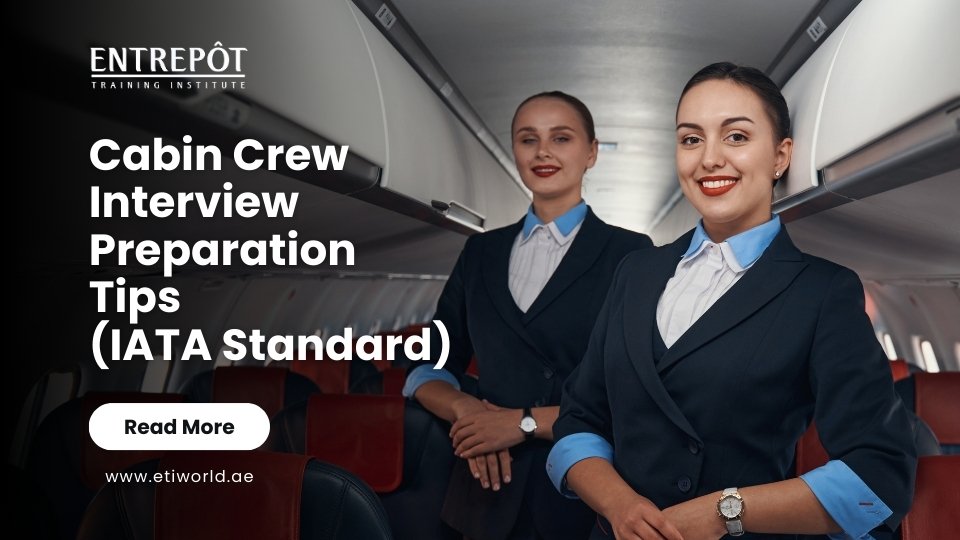
Becoming a cabin crew member is a dream career for many aviation aspirants. It offers the perfect mix of professionalism, travel, customer service, and personal growth. However, clearing a cabin crew interview—especially one aligned with IATA (International Air Transport Association) standards—requires focused preparation, the right attitude, and a clear understanding of airline expectations. This detailed guide will walk you step by step through Cabin Crew Interview Preparation Tips (IATA Standard), helping you stand out with confidence and professionalism. Cabin crew interviews are designed to evaluate much more than your looks or communication skills. Airlines following IATA standards assess candidates on safety awareness, customer service mindset, emotional intelligence, teamwork, and cultural sensitivity. Preparing smartly can significantly increase your chances of success. Understanding IATA Standards for Cabin Crew What Is IATA and Why It Matters? IATA is a global trade association representing airlines worldwide. It sets international benchmarks for aviation safety, security, service quality, and operational efficiency. Airlines aligned with IATA standards expect cabin crew members to: Understanding these expectations helps you tailor your interview answers correctly. Key Qualities IATA Airlines Look For Pre-Interview Research and Preparation Research the Airline Thoroughly Before attending the interview, research the airline in depth. This is a critical IATA-aligned expectation. Focus on: Pro Tip: Align your answers with the airline’s customer service culture while keeping IATA safety principles in mind. Understand the Cabin Crew Role Clearly Cabin crew responsibilities are often misunderstood. According to IATA standards, safety comes first, service second. Key responsibilities include: Be ready to explain why safety is the top priority in your interview answers. Grooming and Appearance Importance of Professional Grooming First impressions matter greatly in cabin crew interviews. IATA-compliant airlines follow strict grooming guidelines to maintain a consistent brand image. Grooming Tips for Female Candidates Grooming Tips for Male Candidates Body Language and Posture Professional body language reflects confidence and emotional stability—key IATA traits. Communication Skills for Cabin Crew Interviews English Language Proficiency IATA standards emphasize clear, simple, and polite English communication. Tips: STAR Method for Answering Questions Many interview questions are scenario-based. Use the STAR method: This method aligns well with IATA’s structured approach to decision-making. Common Cabin Crew Interview Questions “Why Do You Want to Be a Cabin Crew Member?” Best approach: Example angle: “I want to be a cabin crew member because I value safety, enjoy helping people, and thrive in structured, high-responsibility environments.” “How Would You Handle an Unruly Passenger?” Airlines expect answers aligned with IATA safety protocols: “What Would You Do in an Emergency Situation?” Mention: Psychological and Behavioral Assessment Why Airlines Conduct These Tests Cabin crew face high-pressure situations. Psychological assessments check: How to Prepare There are no “right” answers—authenticity matters most. Documents and Final Interview Day Checklist Essential Documents to Carry Interview Day Behavior From entry to exit, recruiters observe behavior. Final Thoughts on Cabin Crew Interview Preparation Preparing for a cabin crew interview based on IATA standards is about professionalism, safety awareness, communication, and attitude. Grooming, confidence, and structured responses play a crucial role, but authenticity and calm behavior truly set candidates apart. By understanding what airlines expect and preparing strategically, you can walk into your cabin crew interview feeling confident, composed, and ready to succeed.
Humanitarian Cargo: The Journey of Hope in a Box

Recently, while scrolling through Instagram—as most of us often do—I came across countless appeals for humanitarian aid. This led me to wonder: how does humanitarian cargo actually reach countries in crisis? Over the past few years, many nations have been pushed to the brink—some devastated by natural disasters, others torn apart by conflict and war. For those of us living in relative comfort, it is difficult to imagine the daily struggle for food, clean drinking water, medical supplies, and emergency shelter. While fundraisers and donations are essential, what truly intrigued me was the hidden journey of humanitarian cargo logistics—the lifeline that ensures relief supplies reach the people who need them most. When Disaster Strikes, Time Becomes the Enemy A flood-hit village cannot wait weeks for safe drinking water.A hospital in a war zone cannot afford to run out of life-saving medicines. In humanitarian emergencies, speed is everything. That is why humanitarian air cargo transportation plays a vital role in emergency response. Relief flights often land on damaged runways, remote airstrips, and temporary relief zones to deliver critical aid. Once on the ground, humanitarian logistics teams immediately unload and distribute emergency relief supplies, ensuring that food, medicines, and shelter kits reach affected communities without delay. The Hidden Hands Behind Every Humanitarian Shipment Behind every successful humanitarian cargo delivery is a massive network of unsung heroes: ● Freight forwarders planning international humanitarian shipments● Cargo handling agents managing sensitive relief supplies at airports● Humanitarian logistics companies coordinating storage and transport● Ground handling teams securing pallets for safe air cargo operations● Customs clearance officers expediting humanitarian documentation● Pilots and aircrew who understand they are carrying hope—not just cargo It is a perfectly synchronized humanitarian supply chain, working silently yet relentlessly. The Weight of the Mission For those flying these aircraft, the responsibility feels heavier than the cargo itself.Humanitarian cargo pilots know they are not just delivering boxes—they are delivering life, dignity, and survival. From damaged runways and muddy roads to border delays and weather disruptions, humanitarian logistics operations face countless obstacles. But failure is never an option when lives depend on timely relief delivery. The Silent Hero of Global Relief Humanitarian cargo transportation may not wear a uniform, but it saves lives every single day. It is rarely in the spotlight, yet it remains one of the most powerful tools in global disaster response. Quietly and efficiently, humanitarian supply chains continue to connect donors, organizations, and communities in crisis. Because sometimes, the difference between despair and survival fits inside a single box—stamped with the words:“Humanitarian Aid.”