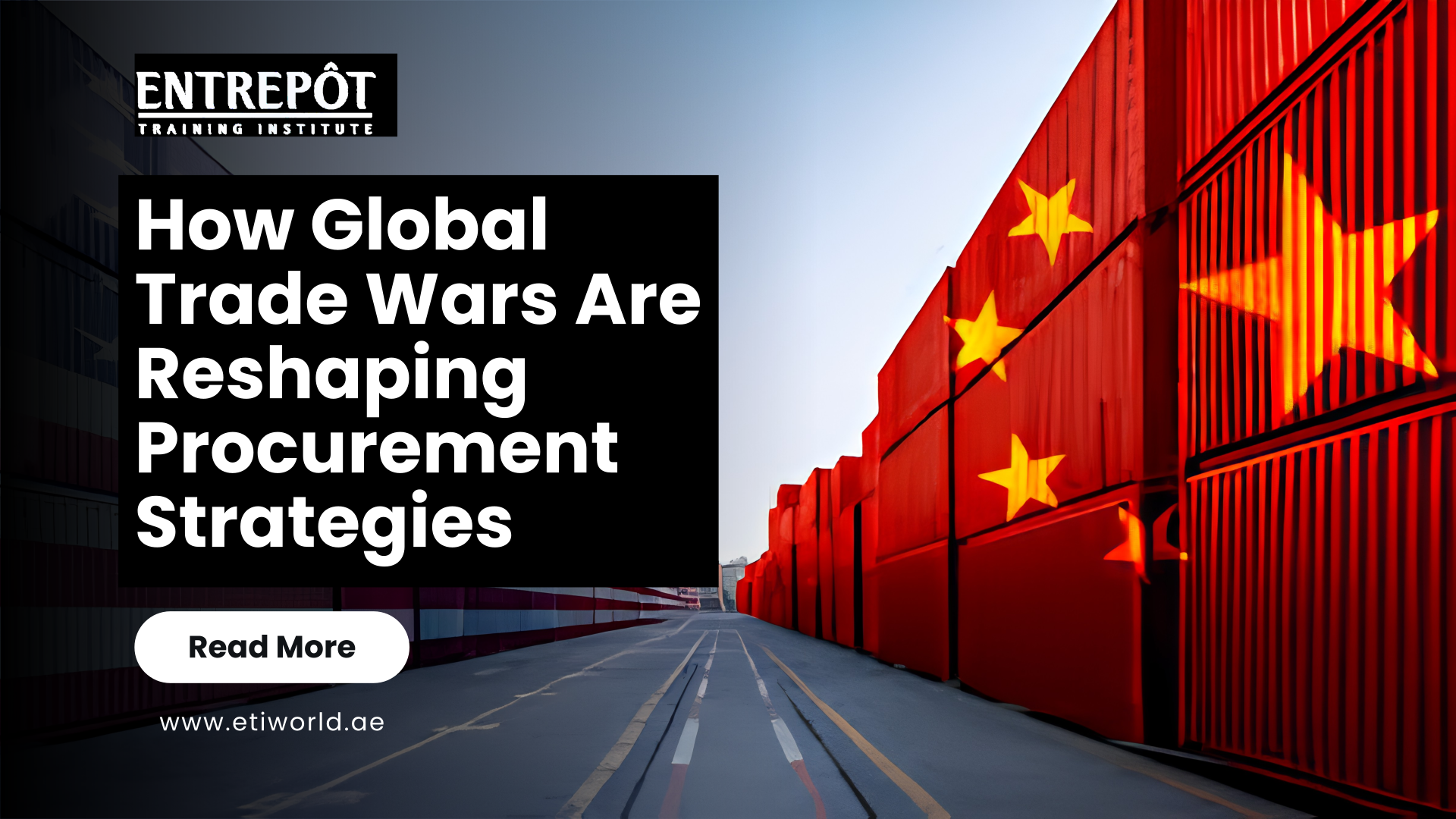
In today’s interconnected economy, procurement is no longer just about sourcing goods at the lowest cost- it has become a strategic function shaped by geopolitics. Ongoing global trade wars, tariffs, and economic conflicts are fundamentally transforming how organizations design and execute procurement strategies. Institutions like Entrepot Training Institute are increasingly focusing on equipping professionals with the skills needed to navigate this complex landscape.
The Rise of Trade Wars and Economic Nationalism
Over the past few years, trade tensions between major economies have intensified. Tariff conflicts, sanctions, and export restrictions are disrupting established trade routes and increasing operational costs. Governments are now aligning trade policies with national security objectives, making global sourcing more politically sensitive than ever before.
This shift has created a fragmented global trade environment where procurement decisions must go beyond cost and efficiency. Professionals trained through platforms like Entrepot Training Institute are learning to assess geopolitical risks alongside supplier performance.
Supply Chain Disruptions and Cost Pressures
Trade wars often trigger broader supply chain disruptions. Rising tariffs, fluctuating currency values, and geopolitical instability contribute to increased costs of raw materials and logistics. Industries such as electronics, automotive, and manufacturing are particularly vulnerable.
Procurement teams now face the challenge of balancing cost pressures with supply continuity. This is where structured training and certifications—such as those offered by Entrepot Training Institute- help professionals build resilient sourcing strategies.
Shift from Cost Efficiency to Risk Management
One of the most significant transformations in procurement is the shift from cost-focused decision-making to risk management. Instead of relying on a single low-cost supplier, organizations are adopting:
- Supplier diversification
- Multi-sourcing strategies
- Increased safety stock
These changes ensure business continuity even in times of disruption. Procurement professionals trained at Entrepot Training Institute are increasingly adopting these risk-based approaches to strengthen supply chain resilience.
The Emergence of “China+1” and Friendshoring
Trade tensions have accelerated the adoption of alternative sourcing models like “China+1,” where companies expand operations beyond China to countries such as India, Vietnam, and Mexico.
Another growing trend is “friendshoring”- sourcing from politically stable or allied nations. While these strategies enhance resilience, they also increase complexity in supplier management. This evolving landscape highlights the importance of specialized procurement and supply chain training programs, such as those delivered by Entrepot Training Institute.
Digital Transformation in Procurement
In response to uncertainty, organizations are investing heavily in digital procurement tools. Technologies such as AI, predictive analytics, and real-time supply chain monitoring enable companies to:
- Anticipate disruptions
- Optimize supplier selection
- Improve decision-making speed
Digital transformation is now a core competency for procurement professionals. Training institutes like Entrepot Training Institute are integrating these technologies into their programs to prepare professionals for the future of procurement.
Compliance and Regulatory Complexity
Trade wars bring an increase in regulatory challenges. Procurement teams must navigate complex frameworks of tariffs, sanctions, and international trade laws. Non-compliance can result in financial penalties and reputational damage.
As a result, procurement is becoming more integrated with legal and compliance functions. Professionals are expected to stay updated on evolving regulations—another area where structured learning from Entrepot Training Institute proves valuable.
Long-Term Strategic Implications
The long-term impact of global trade wars is a shift toward more resilient and regionally diversified supply chains. Organizations are prioritizing:
- Flexibility
- Risk mitigation
- Strategic sourcing
While this may increase operational costs, it ensures long-term sustainability and competitiveness.
To succeed in this evolving environment, companies need skilled professionals who understand both global trade dynamics and modern procurement practices. This is where institutions like Entrepot Training Institute play a crucial role in shaping the next generation of supply chain leaders.
Conclusion
Global trade wars are redefining procurement as a strategic function critical to business success. Organizations must move beyond cost-saving strategies and focus on resilience, adaptability, and risk management.
By investing in the right skills and knowledge—through platforms like Entrepot Training Institute—procurement professionals can effectively navigate the complexities of global trade and build future-ready supply chains.