
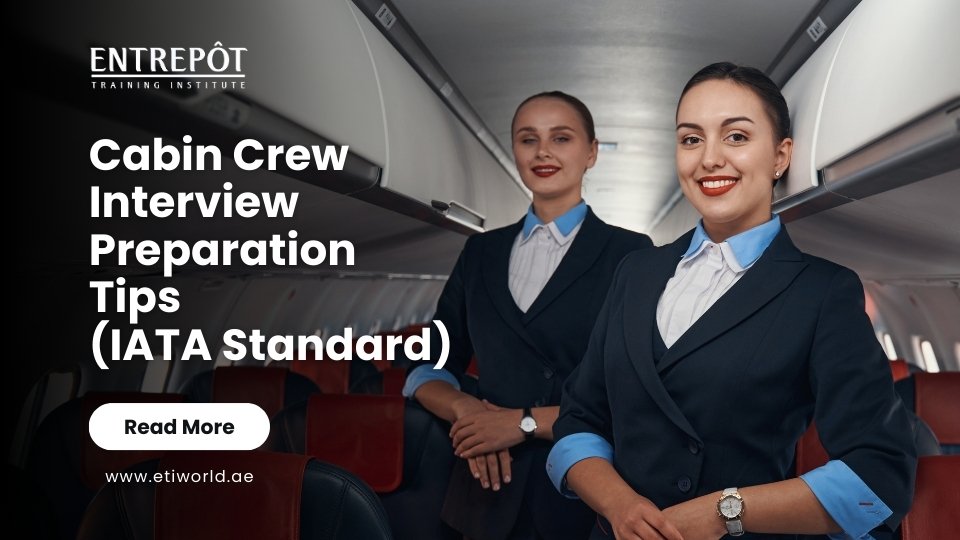
Becoming a cabin crew member is a dream career for many aviation aspirants. It offers the perfect mix of professionalism, travel, customer service, and personal growth. However, clearing a cabin crew interview—especially one aligned with IATA (International Air Transport Association) standards—requires focused preparation, the right attitude, and a clear understanding of airline expectations.
This detailed guide will walk you step by step through Cabin Crew Interview Preparation Tips (IATA Standard), helping you stand out with confidence and professionalism.
Cabin crew interviews are designed to evaluate much more than your looks or communication skills. Airlines following IATA standards assess candidates on safety awareness, customer service mindset, emotional intelligence, teamwork, and cultural sensitivity. Preparing smartly can significantly increase your chances of success.
Understanding IATA Standards for Cabin Crew
What Is IATA and Why It Matters?
IATA is a global trade association representing airlines worldwide. It sets international benchmarks for aviation safety, security, service quality, and operational efficiency. Airlines aligned with IATA standards expect cabin crew members to:
- Prioritize passenger safety at all times
- Deliver consistent and professional customer service
- Follow standard operating procedures (SOPs)
- Maintain global etiquette and cultural awareness
Understanding these expectations helps you tailor your interview answers correctly.
Key Qualities IATA Airlines Look For
- Safety-first mindset
- Strong communication skills
- Calm behavior under pressure
- Teamwork and adaptability
- Professional grooming and body language
Pre-Interview Research and Preparation
Research the Airline Thoroughly
Before attending the interview, research the airline in depth. This is a critical IATA-aligned expectation.
Focus on:
- Airline history and fleet
- Route network (domestic & international)
- Brand values and service philosophy
- Uniform style and grooming standards
Pro Tip: Align your answers with the airline’s customer service culture while keeping IATA safety principles in mind.
Understand the Cabin Crew Role Clearly
Cabin crew responsibilities are often misunderstood. According to IATA standards, safety comes first, service second.
Key responsibilities include:
- Passenger safety and emergency handling
- First aid and medical assistance
- Security procedures
- Customer service and conflict management
Be ready to explain why safety is the top priority in your interview answers.
Grooming and Appearance
Importance of Professional Grooming
First impressions matter greatly in cabin crew interviews. IATA-compliant airlines follow strict grooming guidelines to maintain a consistent brand image.
Grooming Tips for Female Candidates
- Neat bun or professionally styled hair
- Natural makeup with clean base
- Defined eyebrows and neutral lipstick
- Well-fitted formal attire (skirt or pant suit)
- Closed-toe heels (3–5 cm)
Grooming Tips for Male Candidates
- Clean-shaven or neatly trimmed beard (as per airline rules)
- Well-fitted formal suit
- Polished formal shoes
- Neatly combed hair
Body Language and Posture
- Maintain eye contact
- Smile naturally
- Stand straight and confident
- Avoid crossing arms or slouching
Professional body language reflects confidence and emotional stability—key IATA traits.
Communication Skills for Cabin Crew Interviews
English Language Proficiency
IATA standards emphasize clear, simple, and polite English communication.
Tips:
- Speak clearly, not too fast
- Avoid slang or overly casual words
- Structure answers logically
STAR Method for Answering Questions
Many interview questions are scenario-based. Use the STAR method:
- Situation – Describe the context
- Task – Explain your responsibility
- Action – What you did
- Result – Outcome and learning
This method aligns well with IATA’s structured approach to decision-making.
Common Cabin Crew Interview Questions
“Why Do You Want to Be a Cabin Crew Member?”
Best approach:
- Mention safety, service, and teamwork
- Avoid focusing only on travel benefits
Example angle:
“I want to be a cabin crew member because I value safety, enjoy helping people, and thrive in structured, high-responsibility environments.”
“How Would You Handle an Unruly Passenger?”
Airlines expect answers aligned with IATA safety protocols:
- Stay calm and polite
- Follow SOPs
- Inform senior crew
- Prioritize safety over argument
“What Would You Do in an Emergency Situation?”
Mention:
- Training adherence
- Clear communication
- Team coordination
- Passenger reassurance
Psychological and Behavioral Assessment
Why Airlines Conduct These Tests
Cabin crew face high-pressure situations. Psychological assessments check:
- Stress management
- Emotional stability
- Decision-making ability
How to Prepare
- Be honest in responses
- Avoid extreme answers
- Stay consistent
There are no “right” answers—authenticity matters most.
Documents and Final Interview Day Checklist
Essential Documents to Carry
- Updated resume (aviation-focused)
- Passport (original + copies)
- Educational certificates
- Passport-size photographs
Interview Day Behavior
- Reach venue early
- Be polite to everyone
- Follow instructions carefully
- Stay calm and confident
From entry to exit, recruiters observe behavior.
Final Thoughts on Cabin Crew Interview Preparation
Preparing for a cabin crew interview based on IATA standards is about professionalism, safety awareness, communication, and attitude. Grooming, confidence, and structured responses play a crucial role, but authenticity and calm behavior truly set candidates apart.
By understanding what airlines expect and preparing strategically, you can walk into your cabin crew interview feeling confident, composed, and ready to succeed.